London Science Museum
Client
UAL
Location
London, UK
Year
2025
Overview
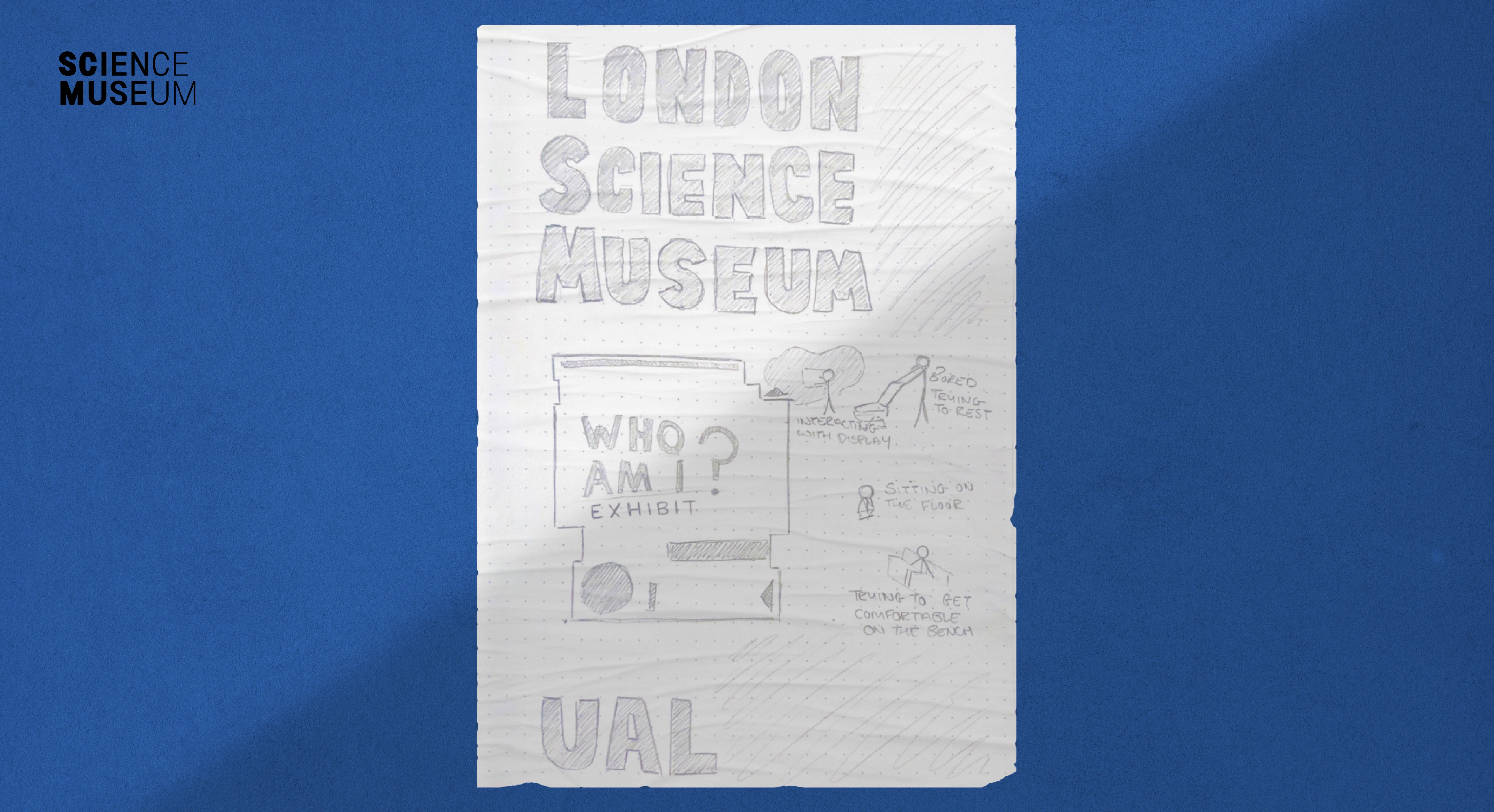
This academic UX research project investigated how subtle design barriers affect engagement within the “Who Am I?” exhibition at London’s Science Museum. Through covert ethnographic observation, I studied how real visitors moved, paused and disengaged within the space.
The project focused on accessibility, comfort and navigation, revealing how small design decisions can have an outsized impact on learning. The outcome was a set of evidence-based design proposals aimed at improving inclusivity without disrupting the exhibition’s existing identity.
The Problem
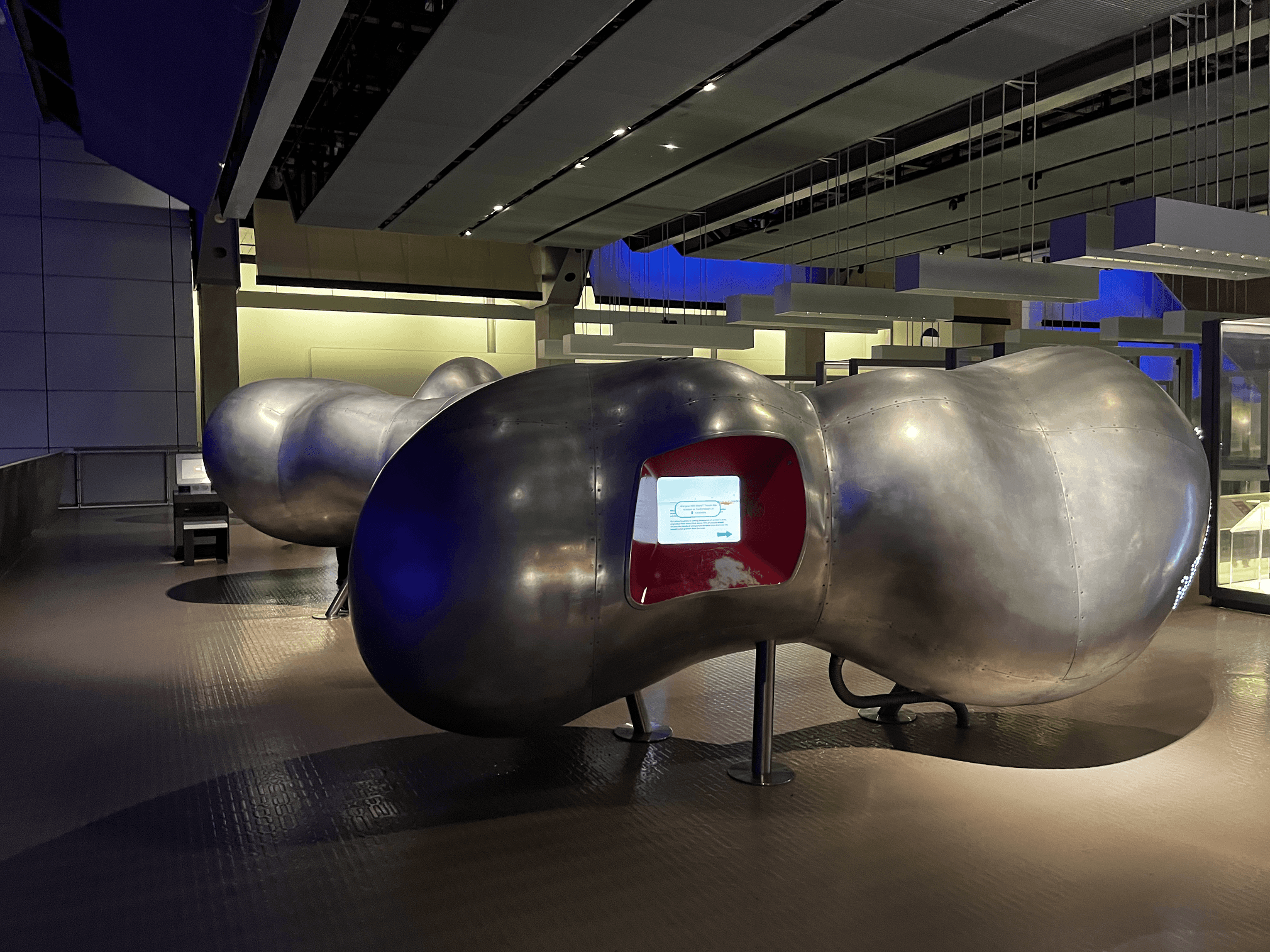
The Science Museum welcomes over 4 million visitors each year and publicly commits to accessibility, yet visitor reviews repeatedly mentioned fatigue, confusion and discomfort.
Within the “Who Am I?” exhibition, these issues risk undermining its educational goal for 11–16 year olds. During early observation, visitors leaned on walls, skipped text-heavy displays and exited early. These behaviours suggested that physical and cognitive barriers, rather than lack of interest, were limiting engagement.
Key Insights
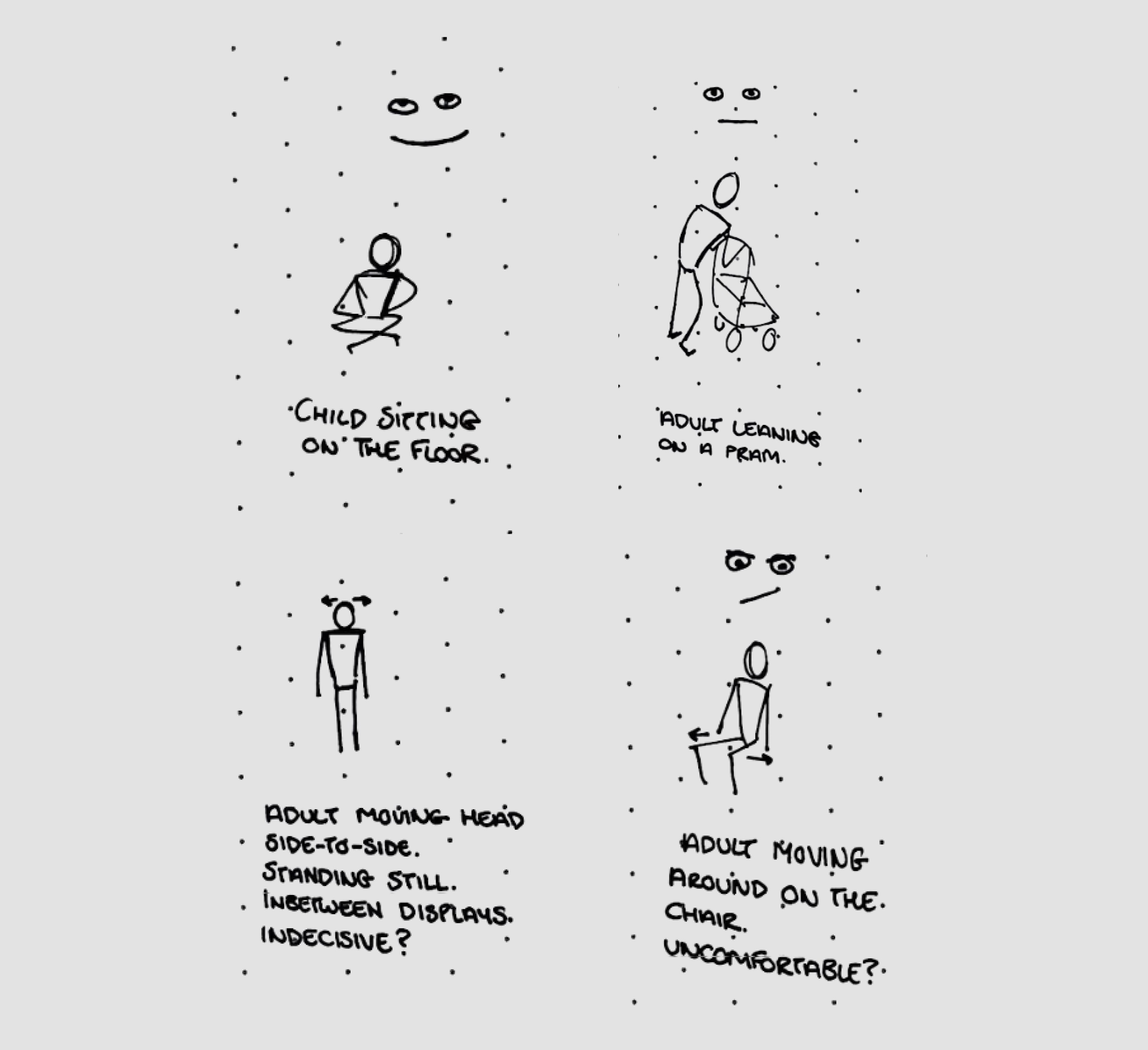
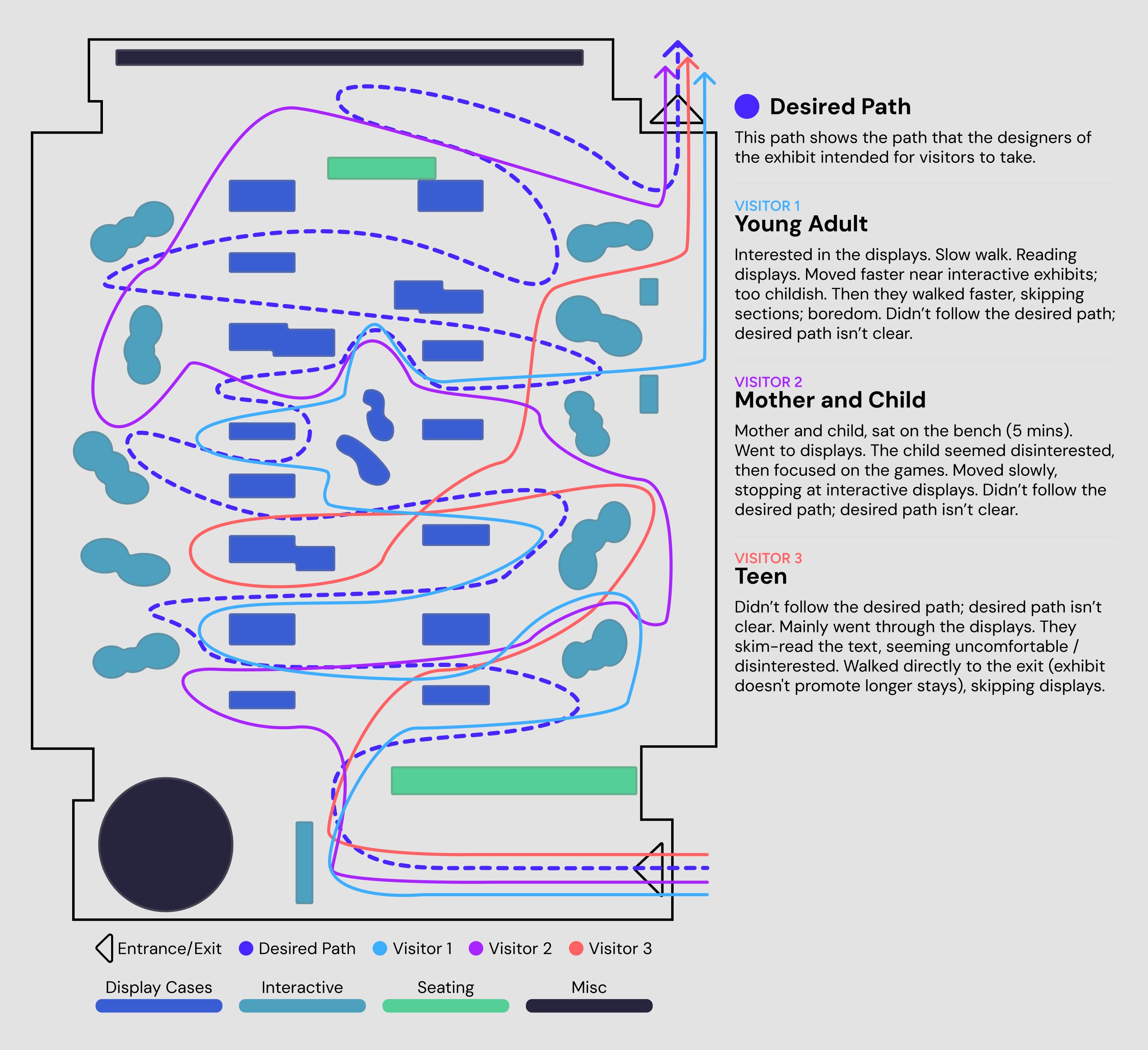
I conducted covert ethnographic observation across two visits, documenting posture, movement and behaviour through notes, gesture sketches and journey mapping.
Three insights emerged. Visitors often arrived already tired, making seating essential. Text-heavy displays were difficult to read, particularly for dyslexic users, leading to skimming or avoidance. Finally, journey mapping showed that no observed visitors followed the intended route, causing confusion and rushed exits.
These insights revealed problems that visitors rarely articulate but clearly experience.
The Solution
The solutions focused on reducing fatigue and improving accessibility without redesigning the exhibition. I proposed strategically placed seating at natural pause points to support rest without breaking engagement.
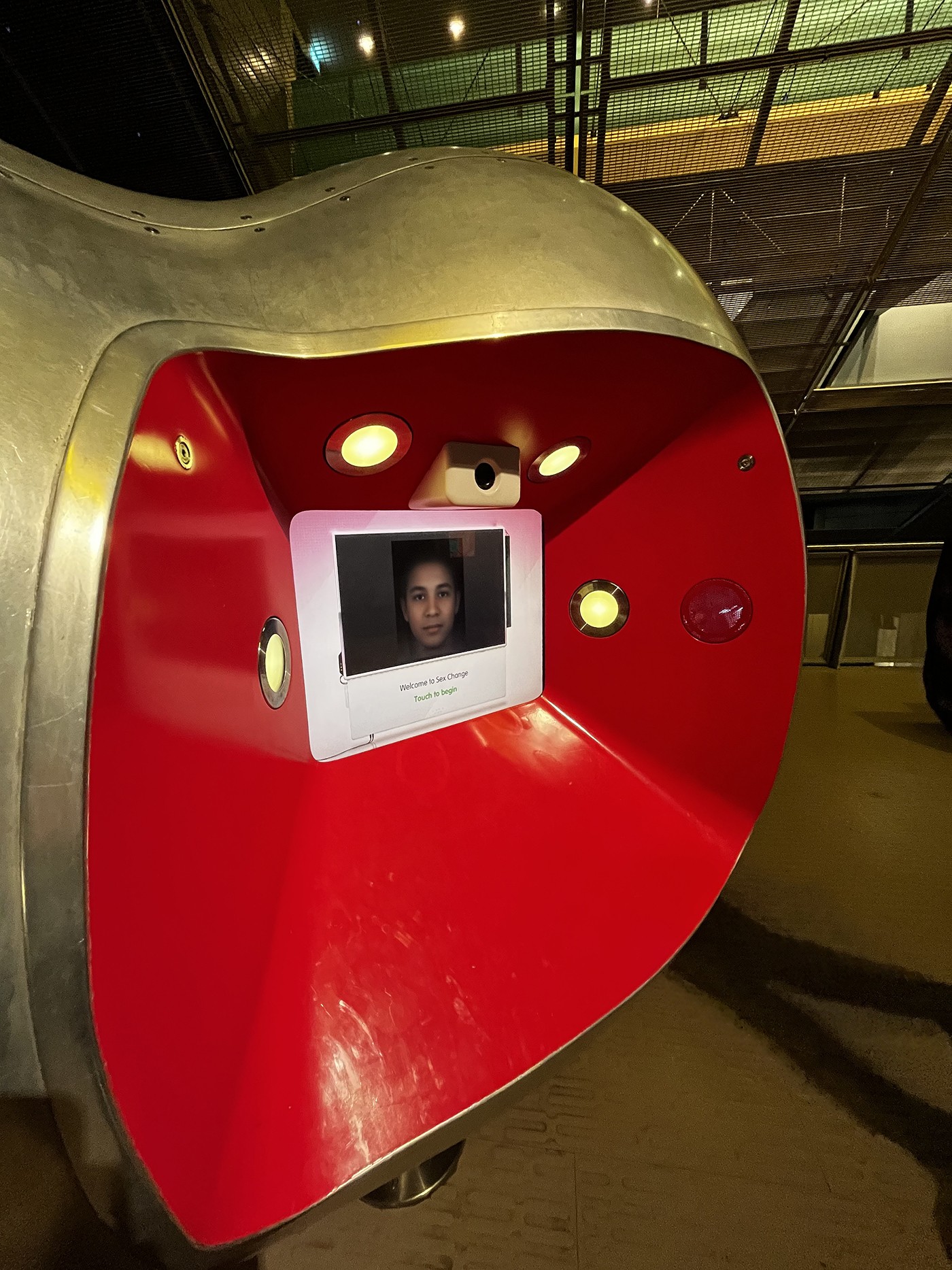
Text displays were redesigned to follow British Dyslexia Association guidelines, improving readability through clearer hierarchy, spacing and emphasis. Changes were prioritised for high-traffic interactive displays to maximise impact while remaining realistic within institutional constraints.
Impact & Results
The project translated qualitative observation into practical, low-risk design interventions. The proposals demonstrated how improving accessibility can increase dwell time, reduce overwhelm and support learning for a wider range of visitors.
Rather than treating accessibility as a compliance task, the work reframed it as a way to improve the experience for everyone. The outcome was a clear, phased implementation plan grounded in real behaviour and realistic constraints.
What I Learnt
This project showed me the power of observation in UX research. Small behaviours, like hesitation or posture changes, often reveal more than direct feedback.
I learned how to synthesise qualitative insights into actionable design decisions while balancing user needs with spatial, budget and stakeholder constraints. Most importantly, it reinforced that accessibility is not niche. When designed well, it improves experiences for all users.